

Rice Tartana, the only speciality rice on the market
What makes a speciality rice different from any other rice we find in the supermarket? Its origin, the variety it contains, the conditions in which it is grown and the care it receives throughout the entire process, from field to table.
The Gorets family has been growing rice in l’Albufera de València for five generations, since the late 19th century. Today, we have 250 hectares of rice fields in one of the Mediterranean’s most distinctive rice-growing environments.
Our commitment is clear: to grow speciality rice varieties for gastronomy, each one clearly identified and completely pure, with a strong focus on traceability. We want everyone who buys one of our packs to know exactly which rice they are choosing, where it comes from and how to get the best out of it in the kitchen.
Rice Tartana: speciality rice grown in l’Albufera de València
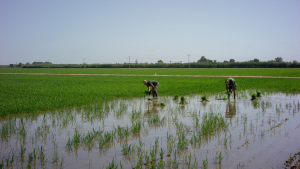
Working in the fields is essential to growing speciality rice. The soil, water and environmental conditions all influence the development of the crop and contribute to the characteristics of the grain that eventually reaches the kitchen.
Our rice is grown in tancats: rice fields reclaimed from the waters of l’Albufera since the Industrial Revolution. These are the areas where some of the finest rice is grown. The nutrient-rich soils, together with the quantity and quality of the water in this protected natural area, create a very distinctive terroir. These conditions, combined with knowledge passed down through generations, allow us to grow rice with a strong identity and a close connection to its territory.
In the rice fields we cultivate within the l’Albufera Natural Park, we grow several gastronomic rice varieties. Each variety has its own growing cycle and requirements. Harvesting at the right time helps ensure that the grain is in the best possible condition for the next stages of the process.
Carefully monitoring the maturity and moisture levels of each variety also allows us to determine the right time to harvest.
Varietal purity: knowing which rice you are buying
One of the defining features of our speciality rice is varietal purity. We sell single-variety rice, meaning that each pack contains just one rice variety, completely homogeneous and with no mixtures of different varieties.
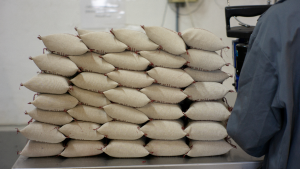
The market is full of generic or commercial rice labels that do not clearly identify the variety inside the pack. We also find imported and domestic rice from different origins, designations and varieties, often marketed together.
At Rice Tartana, we believe it is essential for consumers to know the name of the variety they are buying. Whether they are professional chefs or foodies who enjoy cooking rice at home, this information helps them understand the product they are using and make the most of its culinary characteristics.
Six varieties for different dishes
For the 2026 season, our selection includes six distinct rice varieties: Bomba, Albufera, Regina, Carnaroli, Bahía and Marisma. Each has its own characteristics and culinary uses, making it particularly interesting for Mediterranean cuisine.
- Bomba: highly appreciated in Valencian cuisine for its ability to absorb flavours. It holds its grain structure very well during cooking.
- Albufera: stands out for its balance between absorption and firmness, performing particularly well in paellas and dry rice dishes.
- Regina: a recent variety with outstanding culinary characteristics that also delivers excellent results in paellas and dry rice dishes.
- Carnaroli: one of the most widely used varieties for risotto, thanks to its cooking performance and creamy texture.
- Bahía: a traditional rice variety, appreciated for its texture and its ability to absorb the flavours of the stock.
- Marisma: a tender-grain variety, particularly suitable for certain creamy and soupy rice dishes, risottos and thin-layer paellas.
The Bomba, Albufera, Regina and Bahía varieties are covered by the Protected Designation of Origin Arroz de Valencia. Carnaroli and Marisma complete our selection of speciality rice varieties.
This diversity allows us to offer the right rice for different cooking styles: paellas, dry rice dishes, creamy rice dishes, soupy rice dishes and risottos.
Designation of Origin and rice provenance: what should we know?
The Arroz de Valencia Designation of Origin identifies rice grown within a defined geographical area and subject to the controls and requirements established by its Regulatory Council. It is a quality scheme that protects the connection between the product and its territory.
Today, the Spanish market receives large quantities of imported rice, and European Union regulations do not require the country of origin to be indicated in every case. As a result, consumers may find many rice packs that make it difficult to identify the grain’s exact origin.
It is also common to find generic rice products and commercial labels containing mixtures of varieties or grains from different origins, without any clear distinction for the buyer.
In this context, we believe it is particularly important to provide transparent information about the origin, variety and journey of every grain of rice. Traceability allows consumers to understand what lies behind each pack and provides guarantees about the identity of the product.
From field to pack: how we guarantee rice traceability
To produce speciality rice, quality control must be maintained throughout every stage of the process.
Juan Valero and Belén Cerezo, cousins and fifth-generation members of the Gorets family, personally oversee the control and traceability of the grain, from the field to the rice pack: farm to table. Juan founded the brand, while Belén is an agricultural engineer. Both have first-hand knowledge of every stage of rice production in the fields and the processing required to prepare the product for consumption. They supervise the traceability of the grain throughout the entire process.
Growing and harvesting each variety separately
Each speciality rice variety is grown on a separate farm, preserving its identity from the very beginning and preventing any cross-contamination with other rice varieties. This ensures the varietal purity of every batch and allows us to track its journey individually.
Drying and storage by variety
Once harvested, each rice variety is taken to the drying facility and organised into separate batches. The varieties remain separate throughout the drying process and during storage in the granaries.
This system preserves the identity of each batch, prevents mixtures and ensures that every variety maintains its purity until processing.
Milling and polishing: bringing out the best in each variety
Producing speciality rice also requires careful attention to how each grain is milled. Every variety needs the right treatment to achieve the appropriate degree of husk removal and polishing.
At Rice Tartana, we mill rice in controlled, fully traceable batches, keeping each variety separate. Our goal is to bring out the best culinary qualities of every rice variety.
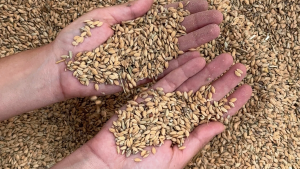
Two aspects are particularly important when assessing the result: the grain’s ability to absorb flavours and aromas, and the texture it offers when eaten. The milling process influences how each variety is preserved and how it performs when it reaches the kitchen.
Rice Tartana: five generations dedicated to speciality rice
Five generations after our great-great-grandparents, we continue working these same fields, guided by knowledge passed down from one generation to the next and by our commitment to taking the greatest possible care of every variety.
Our experience allows us to maintain individual control over each variety and offer gastronomic rice with its own identity. We grow distinctive rice in a unique environment, preserve varietal purity and carefully manage the harvesting, drying, storage and milling of every variety. This is the only way we understand rice cultivation at Rice Tartana.
And you, do you pay attention to the variety and origin of the rice you buy?